Table Of Content
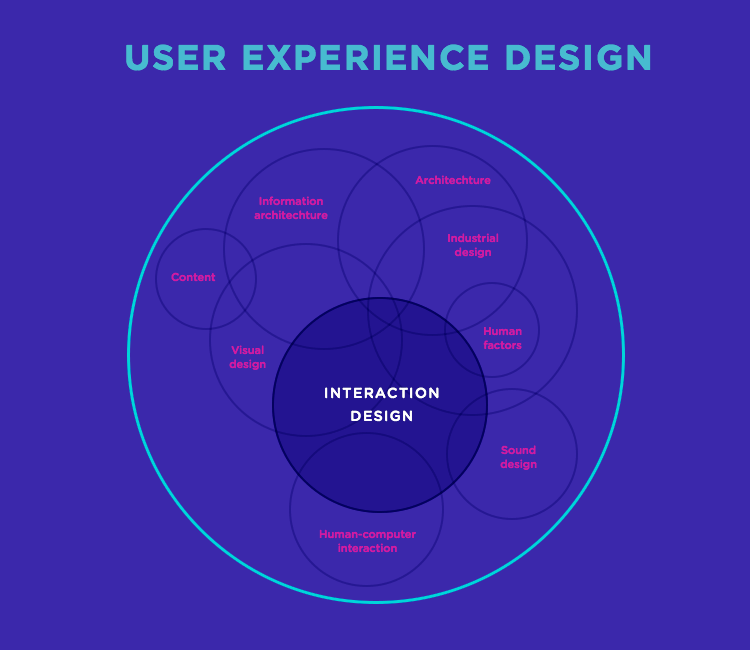
The best UX designers put users at the center of the design process, conducting research and iterating based on user needs and preferences. If you closely examine interaction design, you’ll find several measurements and observations. Experts Gillian Crampton Smith and Kevin Silver have developed five dimensions of interaction design to uncover the involvement of this concept and ensure the success of UX design. Gillian proposed the first four dimensions, and later Kevin added a fifth. To understand these dimensions better, let’s review the following materials.
What is MDEI? Stratford School of Interaction Design and Business - University of Waterloo
What is MDEI? Stratford School of Interaction Design and Business.
Posted: Tue, 15 Aug 2023 13:31:17 GMT [source]
What are the Key Stages of the Interaction Design Process
Web users spend 69% of their time viewing the left half of the page and 30% viewing the right half. Therefore, a site is more likely to be profitable if it follows a conventional layout. Miklos is a design leader, author, and speaker with more than 18 years of experience in the design field. Allows for improved ad effectiveness and measurement through Meta’s Conversions API, ensuring privacy-compliant data sharing. Differentiates real visitors from automated bots, ensuring accurate usage data and improving your website experience. This concerns graphical elements like images, typography and icons that users interact with.
The ‘Less Is More’ Approach in IxD

This includes designing for screen readers, keyboard navigation, and other assistive technologies. Wireframes are more refined representations of the digital product’s layout and interactions. Prototypes, on the other hand, allow you to create interactive simulations of the final product, enabling you to test and refine your designs.
Learn More about the Interaction Design Process
This allows users to get up-to-the-minute reports on the website and/or service status, as well as other important information (such as contact details). Get tips on hiring, onboarding, and structuring a design team with insights from DesignOps leaders. Physical objects and space are the interface’s tangible elements, including hardware and spatial layout. With certifications through Udacity, you can increase the possibilities for your design and UX career. This dimension defines the objects or space "with which or within which users interact".
Patterns and Learnability
They cover topics relevant to developers, designers, UX and UI specialists, account managers, project managers, and more in a clear, digestible way. An Event Apart has consistently hosted some of the industry’s leading thinkers and doers. Local AIGA chapters are available throughout the United States, and host events ranging from Photoshop Layer Tennis, to art exhibitions. Boasting far more robust functionality than Balsamiq, built-in collaboration and sharing, and the ability to easily convert a wireframe to a prototype, Axure seems to offer everything.
An interactive designer also works closely with developers, product managers, and other stakeholders to understand user needs and create user-centered designs. They also stay up-to-date with the latest design trends, tools, and technologies to continuously improve their skills and create innovative digital experiences. Today, interaction design has become an integral part of the digital design process. Designers continue to explore new ways of creating aesthetically pleasing and intuitive interfaces. We listed out some classic and some modern principles to help guide you on your journey in search of the perfect product — now it’s up to you. Remember that most interaction design is simply a way to get humans to have meaningful relationships with the machine, and the product you invested so much hard work to create.
Anticipating these shifts is crucial for anyone in the field of user experience; understanding their potential will help forecast how user interactions may evolve. Interaction Design shapes user decisions by creating a path of least resistance, guiding them intuitively towards actions that align with business objectives. By refining the interface to respond to users’ natural interactions, IxD removes barriers that might hinder conversion, subtly leading users to the desired outcomes with ease and precision. This methodology enables designers to iterate and improve interaction design elements systematically, fostering an environment conducive to user engagement and conversion goals. Ultimately, an interaction designer is the liaison between humans and technology.
To prevent user error and make an application easy to learn, it is essential that an interaction model be consistent. Consistency improves UX, general usability, and the efficiency with which users can use digital products. User research fits into the interaction design process as a foundational element, guiding the development of user-centered designs from the very beginning.
Apply the Practical Benefits of Animation
When you use a mobile app and swipe right, flick upwards, click a link, or press a button, you’re experiencing interaction design. Designers not only have to design consistent UIs and interactions but also consider consistency across multiple screen sizes and devices. Interaction designers must create a clear relationship between controls and their effect on a digital product. Interaction designers have several ways to express this feedback, including motion/animation, tactile, audio, copy, etc. The role of Interaction Designers is to deeply understand user goals and behaviors, applying insight to create user-centric solutions. Designers must provide feedback to the user at every stage of the interaction to ensure they understand the consequences of their actions.

For example, an interaction designer might incorporate storytelling elements to foster an emotional connection with the user, or gamify certain interactions to motivate and engage the user on a regular basis. Rodriguez Vega entered graduate studies with a background in communication and interest in the interactions that take place between humans and computer systems. Tappability refers to how easily users tap a button or an element on a mobile screen.
Captivating interfaces, intuitive controls, and feedback mechanisms that make users smile are just some examples of good interaction design. It's a complex discipline that requires a blend of creative design sensibilities, technical skills, user insights, and collaboration. In the following sections, we will delve deeper into the facets of interaction design, its processes, the role of the designer, and examine how this amalgamation of art and science is shaping the digital world. Understanding these interactions is critical for designers as they craft intuitive and efficient interfaces that allow users to access functions and content effortlessly. Such knowledge serves as the foundation for creating experiences that resonate with users and encourage continued engagement with the system.
Furthermore, it’s best to decide which approaches you’d like to take with the right interactions. This approach will help you create a framework to help you achieve your business goals. It is the best counterpart to engage with digital products by relying on the technology and principles of good communication to achieve desired user experiences in the greatest possible way. We have learned that IxD is a branch of UX design that helps to ensure a system’s interactions with a user help the user to achieve their goals.
You’re interrupting the “flow.” And here’s a shocker… They’re not interested in learning your UI. Throughout the course, we’ll supply you with lots of templates and step-by-step guides so you can start applying what you learn in your everyday practice. In this course, you will gain an introduction to the breadth of UX design and understand why it matters. You’ll also learn the roles and responsibilities of a UX designer, how to confidently talk about UX and practical methods that you can apply to your work immediately. Interaction design has a direct impact on how people experience technology. At the most basic level, it determines whether or not a particular product is usable and accessible.
As the digital landscape continues to refine and redefine itself, the critical role of interaction design in today's modern websites and applications grows increasingly apparent. This intangible but pivotal facet of user experience design provides the critical link between the user and the digital system - be it a website, a mobile application, or virtual reality. To enhance the user experience (UX), understanding interaction design is a must. Often shortened to IxD, interaction design is a facet of UX design dedicated to configuring how users engage with digital products and services. It entails the art and science of crafting interactive experiences that are user friendly, efficient, and enjoyable.


No comments:
Post a Comment